
Last updated: July 9, 2026
Quick Answer
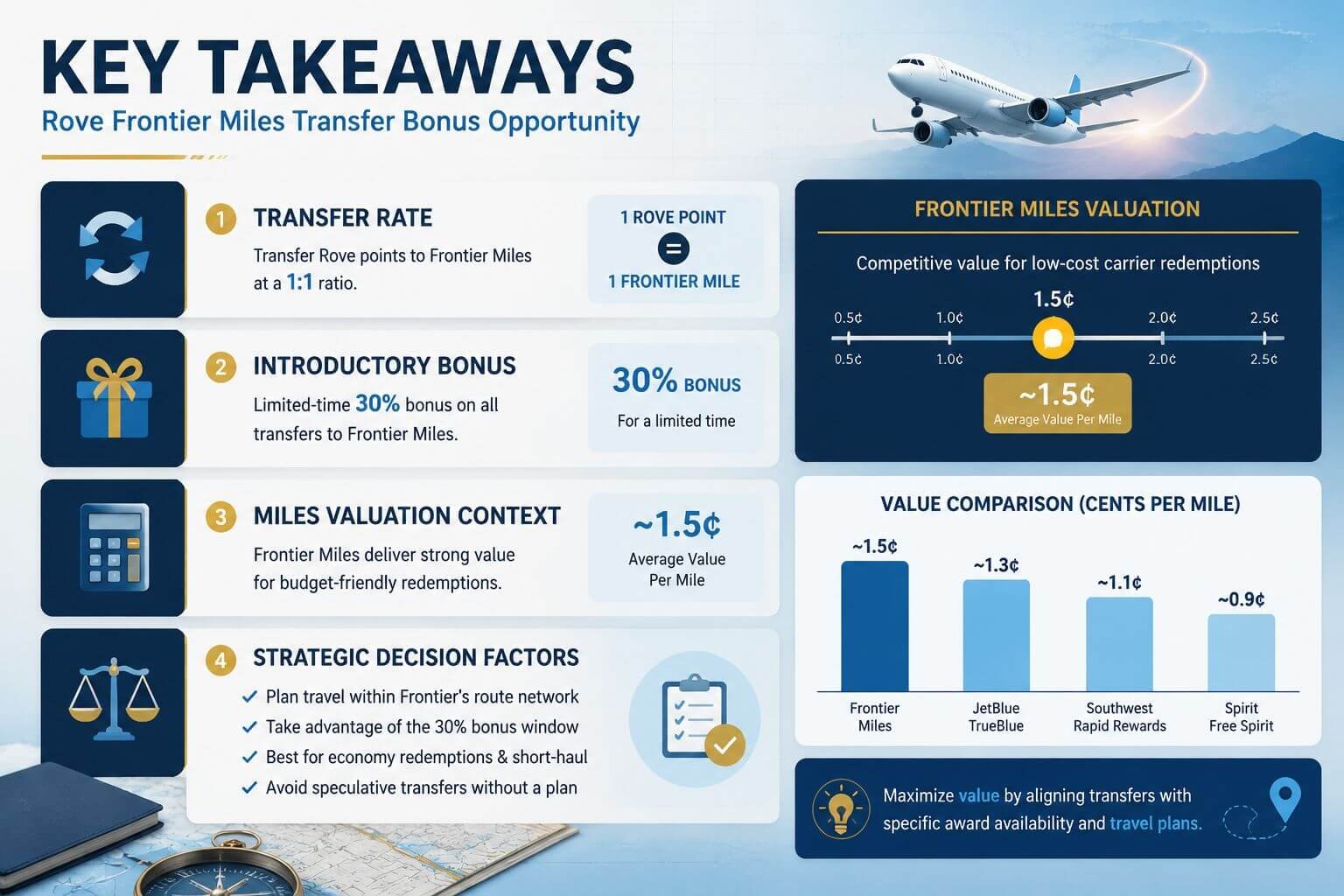
Rove added Frontier Miles as a transfer partner on July 1, 2026, at a base 1:1 ratio, with a limited-time 25% transfer bonus running through July 31, 2026 at 11:59 p.m. Eastern. For most people, the Rove Frontier Miles transfer bonus is worth skipping. Frontier Miles are a low-value, unpredictable currency (roughly 1.0 to 1.3 cents each), and Rove’s other partners and its own flexible flight redemptions usually deliver more reliable value. Transfer only if you already have a specific, near-term Frontier award priced attractively in miles.
Key Takeaways
- Rove-to-Frontier transfers are processed at a base 1:1 ratio, converting 1,000 Rove Miles into 1,000 Frontier Miles.
- The 25% intro transfer bonus runs July 1 through July 31, 2026, so 1,000 Rove Miles becomes 1,250 Frontier Miles during the promo.
- Frontier Miles are worth roughly 1.0 to 1.3 cents each in 2026, depending on the source and route.
- With the bonus, Rove Miles yields about 1.25 to 1.625 cents in effective Frontier value when redeemed well.
- Frontier uses dynamic award pricing, so value swings widely by route, date, and demand.
- Transfers are one-way and final – never move points without a confirmed use case.
- Better Rove options for most travelers include flexible flight redemptions and higher-value airline partners like Aeroplan, Virgin Atlantic, and Turkish Airlines.
Rove adds Frontier Miles as a transfer partner
Rove added Frontier Airlines as a transfer partner effective July 1, 2026, making Frontier its 19th partner and its first U.S. airline partner. Transfers move at a base 1:1 ratio from Rove Miles to Frontier Miles, matching how nearly all Rove partners work.
This is a notable addition because Frontier is an ultra-low-cost carrier without a traditional transferable-points relationship until now. Frontier flyers can top up their Frontier Miles balance without holding a co-branded Frontier credit card, which is the main practical benefit.
Frontier now sits alongside Rove’s alliance and non-alliance partners, including Air Canada Aeroplan, Qatar Privilege Club, and Virgin Atlantic Flying Club. For a full view of where Frontier fits, see the Rove Miles transfer partners guide.
One structural note: all Rove partners transfer at 1:1 except Accor, which uses a 1.5:1 ratio. Frontier follows the standard 1:1 logic, plus the temporary launch bonus.
How the introductory Rove Frontier Miles transfer bonus works
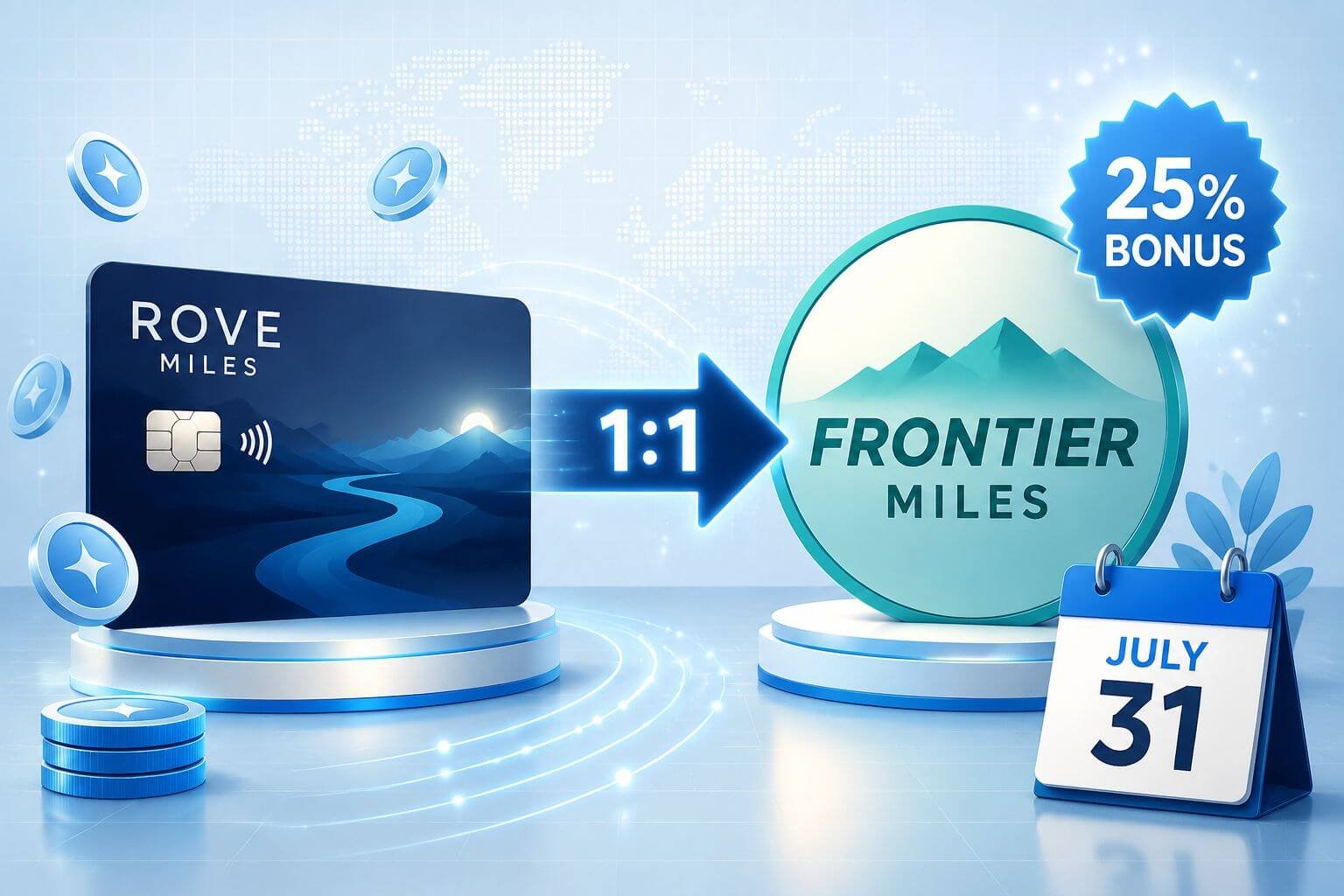
The introductory Rove to Frontier miles transfer bonus is a 25% bump on all Rove-to-Frontier transfers, valid from July 1, 2026 through July 31, 2026 at 11:59 p.m. Eastern. During the promo, 1,000 Rove Miles convert to 1,250 Frontier Miles instead of the standard 1,000.
Here’s how the math plays out at a few transfer amounts:
| Rove Miles transferred | Standard (1:1) | With 25% bonus |
|---|---|---|
| 1,000 | 1,000 Frontier | 1,250 Frontier |
| 5,000 | 5,000 Frontier | 6,250 Frontier |
| 10,000 | 10,000 Frontier | 12,500 Frontier |
| 20,000 | 20,000 Frontier | 25,000 Frontier |
You may be interested



A few program rules matter here:
- Transfers are one-way and final. You cannot move Frontier Miles back to Rove.
- The bonus is automatic during the promo window on qualifying transfers.
- Timing is everything. Only transfer once you’ve confirmed a Frontier award you actually want.
For a broader look at how these promos affect value, see transfer bonus math in 2026 and our guide on when to transfer points and when to wait.
Common mistake: speculating on a transfer during the bonus window to “lock in” the 25%. Because Frontier uses dynamic pricing, a route that looks cheap today can reprice higher tomorrow, and your stranded miles have no other use.
What Frontier Miles are actually worth in 2026
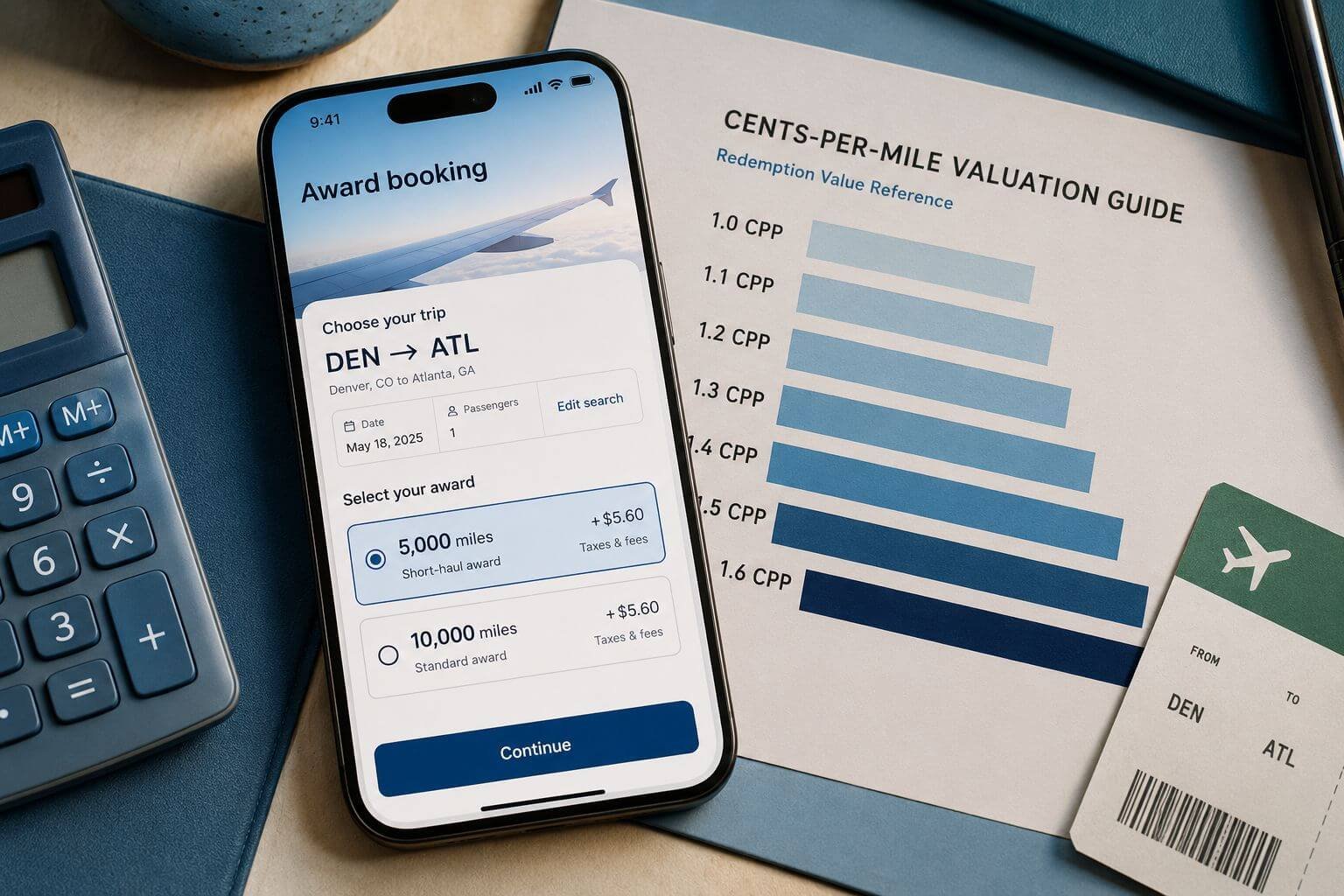
Frontier Miles are worth roughly 1.0 to 1.3 cents each in 2026, and they don’t follow a fixed award chart. Independent valuations put Frontier at about 1.3 cents per mile on the higher end, while more conservative “reasonable redemption value” estimates land closer to 1.0 cent.
With the 25% transfer bonus applied, each Rove Mile is effectively worth:
- About 1.25 cents using a conservative 1.0 CPP Frontier valuation.
- About 1.625 cents using a more optimistic 1.3 CPP Frontier valuation.
That range sounds fine on paper, but it hides two problems.
First, Frontier uses dynamic award pricing. Award costs float with cash fares, demand, and dates. There is no chart to lock in a sweet spot, so your redemption value is only as good as the specific flight you find. A short-haul route might price at 5,000 miles one day and far more on a peak date.
Second, ancillary fees eat into value. Frontier’s ultra-low-cost model charges separately for seat selection, carry-on and checked bags, and other extras. An award ticket can still leave you paying real cash for the things bundled into a normal fare elsewhere.
Frontier Miles can deliver 1.25 to 1.6 cents in effective value with the bonus, but only on the right route at the right time. There’s no chart to guarantee it.
For how these numbers compare across programs, review our transfer partner valuations.
Where Frontier Miles make sense (and where they don’t)
Frontier Miles make sense for budget-focused domestic travelers who fly Frontier routes anyway and can find low-cost short-haul awards starting around 5,000 miles. They don’t make sense for anyone chasing premium cabins, international business class, or schedule reliability.
Best for:
- Domestic short-haul trips on routes Frontier actually flies
- Travelers comfortable with an ultra-low-cost carrier’s tradeoffs
- People who already have a specific cheap award in front of them
- Topping up a small Frontier shortfall to reach an award
Not for:
- Premium cabin awards or international business and first class redemptions
- Travelers who value fixed schedules, generous seat pitch, or few fees
- Anyone hoping to bank miles for “someday” flexibility
- Long-haul international trips (Frontier is a domestic and near-international carrier)
Edge case worth knowing: if you’re just a few thousand Frontier Miles short of a booked-and-ready award, a small transfer during the 25% bonus can be a reasonable way to close the gap cheaply. That’s a targeted top-up, not a stockpiling strategy.
Frontier’s model comes with tight seating, heavy ancillary fees, and less schedule dependability than legacy carriers. Those tradeoffs are the whole reason its fares (and awards) can be low, so factor them into any value comparison.
Transfer or skip: weighing a low-value currency
For most Rove members, the answer is skip. Frontier Miles are a low-value, dynamically priced currency, and permanently converting Rove points into them trades flexibility for a niche use case. Transfer only when you have a confirmed Frontier award that prices well in miles.
Use this quick decision framework:
- Do you have a specific Frontier flight in mind right now? If no, skip.
- Is that flight priced attractively in miles (not just dollars)? Check the cash price versus the miles price to estimate CPP. If it’s below roughly 1.3 cents, skip.
- Would another Rove option get you more value? If a Rove flight redemption or a stronger airline partner beats it, skip.
- Are you only short by a small amount? A modest top-up during the bonus can be justified.
Here’s the core tension. Rove’s own direct flight redemptions typically deliver about 1.25 to 1.5 cents per mile, depending on route and timing. With the 25% bonus, Frontier lands at roughly 1.25 to 1.625 cents. That overlap means transferring is not automatically better than simply using Rove Miles for a flexible flight purchase, and it comes with far less flexibility.
Choose transfer if: you found a genuinely cheap Frontier award (well above 1.3 CPP), you fly Frontier anyway, and you accept the carrier’s tradeoffs.
Choose skip if you value flexibility, want premium cabins, or don’t have an immediate Frontier trip. Skipping keeps your points liquid for better opportunities.
For the bigger-picture debate on where to move points, see transfer to hotel or airline: the value comparison.
Better uses for your Rove points right now
For most travelers, the strongest Rove options in 2026 are flexible flight redemptions and higher-value airline transfer partners, not Frontier. These deliver more predictable value and preserve access to premium cabins and international routes.
Consider these alternatives before transferring to Frontier:
- Rove flexible flight redemptions at roughly 1.25 to 1.5 CPP, with no dynamic-award surprises and no ultra-low-cost carrier fees.
- Air Canada Aeroplan, which pairs well with Rove and has its own bonus history – see the Rove to Aeroplan 25% transfer bonus.
- Virgin Atlantic Flying Club for partner premium cabin sweet spots via the Rove Virgin Atlantic transfer partner guide.
- Turkish Airlines Miles&Smiles, which has offered strong promos – check the Rove Turkish Airlines 50% bonus.
- SAS EuroBonus for Star Alliance redemptions via the Rove EuroBonus transfer bonus guide.
The pattern is simple. Frontier is a domestic budget currency with no premium-cabin upside. Rove’s partner list includes programs that unlock Business Class deals and First Class redemptions, where transferable points earn their keep. Unless you specifically need a Frontier flight, those partners (or Rove’s own flexible flights) are the better home for your miles.
If you’re weighing Rove against another no-fee program, the Rove Miles vs Bilt Rewards comparison is a useful next read.
Frequently asked questions
How many Frontier Miles do you get per Rove point? At the base 1:1 ratio, 1 Rove Mile equals 1 Frontier Mile. During the 25% intro bonus (July 1 to July 31, 2026), 1,000 Rove Miles convert to 1,250 Frontier Miles.
What is the Rove to Frontier Miles transfer minimum? Rove transfers generally occur in set increments, so plan to move a round amount rather than a partial mile. Confirm the current minimum in your Rove account before transferring, and never move more than your specific Frontier award requires.
How long does a Rove to Frontier transfer take? Transfer times vary by partner. Move points only after you’ve confirmed the award you want, since transfers are one-way and final. If an award is time-sensitive, don’t assume an instant transfer – build in a buffer.
Does the rove frontier miles transfer bonus stack with other offers? The 25% launch bonus applies automatically to qualifying Rove-to-Frontier transfers during the promo window. It is a launch promotion, not a stackable ongoing rate, so plan around its July 31, 2026 end date.
What is Frontier Miles’ expiration policy? Frontier Miles can expire after a period of account inactivity. Keeping an account active through earning or redeeming activity is the usual way to reset that clock. Check Frontier’s current terms before transferring, since expiration rules can change.
Can you combine Frontier Miles from different sources? Frontier Miles earned from flights, credit card spend, and partner transfers all pool in your single Frontier Miles account, so you can combine them toward one award. You cannot, however, transfer Frontier Miles back out to Rove or to another program.
Conclusion
Rove’s Frontier addition gives budget flyers a new way to top up their Frontier balance, and the 25% intro bonus through July 31, 2026 sweetens the math on paper. But Frontier Miles remain a low-value, dynamically priced currency worth roughly 1.0 to 1.3 cents each, and transfers are permanent. For most Rove members, skipping is the right call.
Your next steps:
- Check your Rove account for the exact transfer minimum and confirm the bonus window.
- Search a real Frontier award and estimate its CPP against the cash price before moving anything.
- Compare it to a Rove flexible flight redemption at 1.25 to 1.5 CPP.
- If Frontier doesn’t clearly win, keep your points liquid and look at higher-value partners like Aeroplan, Virgin Atlantic, or Turkish Airlines.
Transfer only when you have a confirmed, well-priced Frontier award in hand. Otherwise, your Rove points are more valuable staying flexible.


Content on Award Travel Hub is independently created by Award Travel Hub Editorial Desk and, where noted, reviewed by Award Travel Hub Review Desk. Some pages may contain affiliate links, but compensation does not determine our coverage, opinions, or methodology.