

Imagine booking a business-class seat from Newark to Frankfurt for just 60,000 miles. That exact route recently saw its price drop significantly. For years, we’ve watched airline loyalty costs climb. This sudden decrease was a welcome surprise.
This positive news stood out in 2025. Major programs like Avianca LifeMiles and Singapore Airlines KrisFlyer increased costs. The initial announcement from this airline felt like a rare win. It appeared to reverse the industry’s trend of constant devaluation.
However, the situation evolved. On November 11, 2025, the airline revised its changes. The lower pricing became available only to Premier members. This shift created a more complex landscape for all travelers.
We are here to break down these developments. Our guide will walk you through the complete timeline. We’ll show you what these changes mean for your miles and your travel plans.
Understanding these adjustments is crucial. It helps you lock in exceptional value before it disappears. We empower you with knowledge to adapt your redemption approach effectively.
Key Takeaways
- United initially reduced mileage costs for many partner flights in 2025, bucking the industry trend of increases.
- The lower award rates were later modified and became exclusive to United Premier members.
- This reversal followed previous price hikes on partner awards implemented in 2024.
- Travelers need to understand their status level to know which award prices they can access.
- These changes affect the value of miles held in the MileagePlus program and points transferred from partners such as Chase.
- Identifying sweet spots in the new pricing structure is key to maximizing redemption value.
- Staying informed about program updates lets you capitalize on valuable opportunities quickly.
Understanding United Award Rate Changes
Travelers seeking premium cabin experiences received welcome news: mileage costs for international partner flights dropped substantially. This development marked a significant shift from the industry’s typical pattern of increasing redemption requirements.
Background on Recent Rate Adjustments
For years, a noticeable gap existed between flights operated by the airline itself and those by alliance partners. Transatlantic Business Class seats on carriers like Lufthansa and SWISS consistently required more miles than identical routes on the airline’s own aircraft.
The recent adjustments closed this pricing disparity. Business Class awards to Europe were reduced from 88,000 miles to 80,000 miles. Transpacific routes saw similar reductions from 110,000 to 100,000 miles.
The Impact on Business and Economy Awards
These changes affected both premium and standard cabins. Economy flights to Europe decreased from 44,000 to 40,000 miles each way.
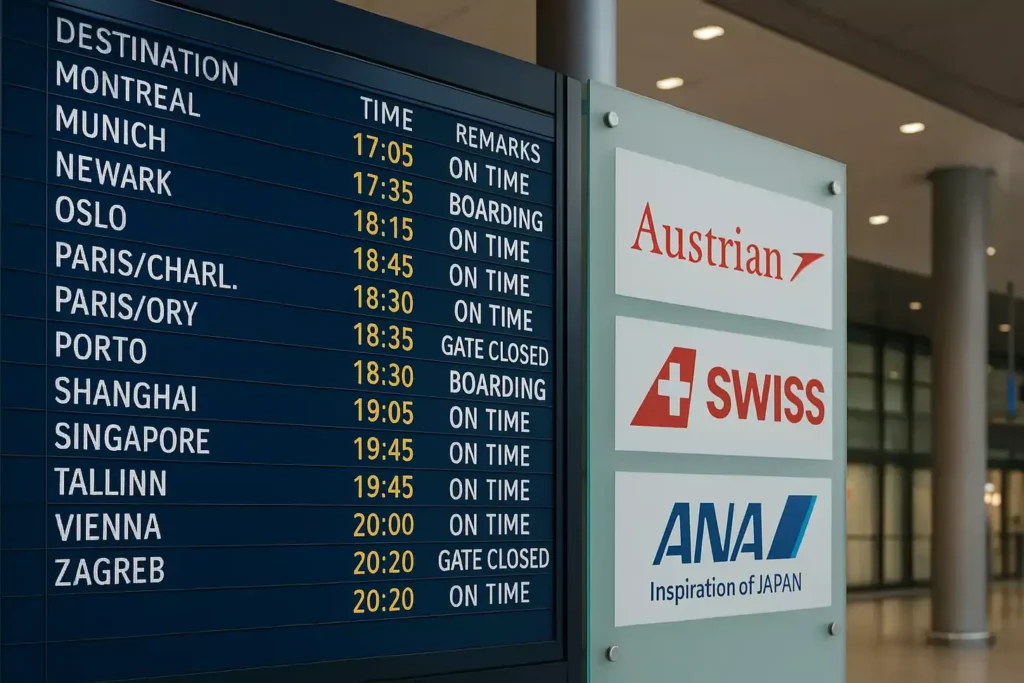
Specific routes demonstrate the new pricing structure. Chicago to Vienna on Austrian Airlines and San Francisco to Tokyo on ANA now offer better value for mileage redemption.
Insights from Recent Airline News and Program Updates
The airline’s leadership confirmed this wasn’t merely a customer-friendly gesture. Increasing brand loyalty and credit card engagement drove these strategic pricing adjustments.
Booking interfaces now display distinct pricing tiers. This visible segmentation encourages deeper customer relationships with the loyalty program and associated financial products.
United partner award rate cut strategy guide: Maximizing Your Rewards
The actual value of a loyalty program emerges when you combine miles with strategic financial products. We help you navigate this new landscape where cardholder status unlocks access to premium cabins.
Leveraging Credit Card Perks and MileagePlus Benefits
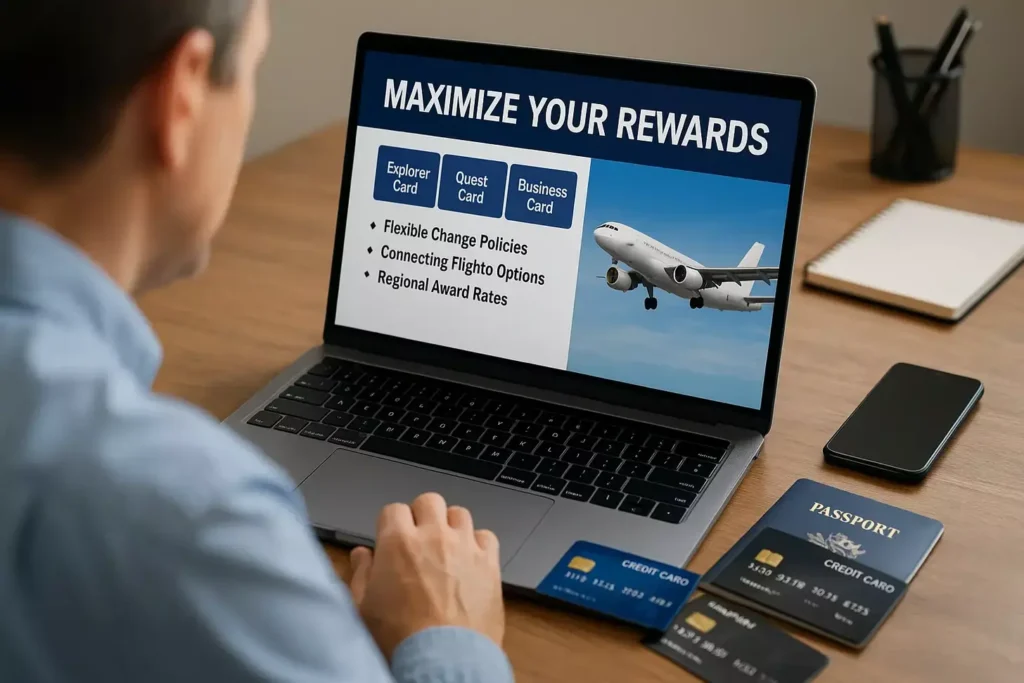
Three primary card options provide distinct advantages. The Explorer Card offers solid everyday earnings, while the Quest Card delivers premium benefits for frequent travelers.
Business owners will appreciate the specialized category bonuses on the Business Card. Each offers welcome bonuses that can cover a significant portion of international travel costs.
Flexible change policies set this program apart from competitors with restrictive fee policies. This flexibility becomes especially valuable for last-minute plan adjustments.
Strategies to Optimize Award Redemptions
Time your card applications to maximize welcome bonuses before planned redemptions. Ensure your cardmember status is active when booking to access preferred pricing.
Consider connecting itineraries throughout Europe that maintain the exact mileage cost as direct flights. This approach lets you explore secondary cities without additional points expense.
Transfer options from Chase Ultimate Rewards enable quick balance growth when award space becomes available. This flexibility helps you capitalize on opportunities without maintaining large speculative balances.
Regional Comparisons and Insights on Award Rates
The landscape of premium travel rewards varies significantly by destination. Some regions offer exceptional value while others present more complex calculations.
Europe: From 88,000 to 80,000 Miles for Business Class
European routes represent the most compelling opportunity. The reduction to 80,000 miles applies consistently across multiple carriers.
This pricing covers flights from various US departure points. Chicago to Vienna and Los Angeles to Warsaw both cost 80,000 miles.
Some programs offer lower mileage requirements but charge substantial fees. The total cost often exceeds what you’d pay with this program.
Asia and Oceania: Transpacific Adjustments and Partner Variations
Transpacific routes saw similar percentage reductions. Flights to Tokyo now require 100,000 miles instead of 110,000.
Alternative programs sometimes offer better pricing for identical flights. However, they may restrict premium seat availability near departure dates.
Practical limitations constrain Oceania redemptions despite price improvements. Limited award space means these adjustments are less impactful on actual bookings.
Conclusion
Recent award rate cuts and the move toward cardmember-exclusive pricing require a proactive award travel strategy—especially for those using partner awards on United Airlines and its alliance partners. Changes in pricing can erode the value of long-standing loyalty habits, so it’s essential to reassess how you redeem miles.
Start by modeling real itineraries: compare partner award rates, consider cash prices, and calculate whether holding or shifting financial products still delivers net savings. For many travelers, a hybrid approach—mixing United awards, partner award redemptions, and paid premium purchases—produces the best value.
Maintain flexibility across programs. Diversifying your balances and credits reduces exposure to single-program devaluations and makes it easier to capitalize on limited-time saver space or targeted award rate cuts.
Stay informed about industry news and adjust your plan when United Airlines or its partners announce changes. Regularly review award charts, transfer partner options, and card benefits to keep your travel strategy aligned with your goals and budget.
If you need personalized guidance, focus on mapping your typical routes, cabin preferences, and annual travel spend—then test alternate award and cash scenarios to identify the optimal path forward. A deliberate, data-driven approach will help you preserve value despite ongoing shifts in the award travel landscape.
FAQ
Q: How have United’s partner award rates changed recently?
A: We’ve seen significant adjustments, particularly for business class redemptions on Star Alliance carriers. For instance, flight rates to Europe have dropped from 88,000 to 80,000 miles each way. These changes reflect a broader shift in dynamic award pricing across the airline industry.
Q: What is the best way to book these new lower-rate awards?
A: A> To maximize value, we recommend booking directly through your United MileagePlus account. Using miles from United credit cards can be especially effective. Always compare cash prices and check for any blackout dates or limited availability on partner airlines before you commit your points.
Q: Do these rate cuts apply to all partner airlines equally?
A: A> Not exactly. The adjustments vary by region and carrier. Transpacific routes to Asia and Oceania have varied compared to European routes. It’s crucial to check the specific award chart for your desired destination and airline partner to see the exact pricing.
Q: How can I ensure I get the best value from my MileagePlus miles?
A: A> Focus on high-value redemptions like international business class flights where the cents-per-mile value is highest. We also suggest leveraging elite status benefits and co-branded credit card perks to save on award tickets and fees.
Q: Are there any risks with booking awards given these frequent changes?
A: A> While these rate cuts are beneficial, airline loyalty programs can change pricing with little notice. We recommend booking your flight as soon as your travel plans are confirmed to secure the current rate. Constantly monitor official program updates for the latest news.
Q: What are the recent United MileagePlus partner business class award rate changes?
A: A> United Airlines has implemented significant changes to its award pricing structure for partner business class flights. These modifications include both increases and strategic reductions in award rates on partner airlines, particularly affecting transpacific Business Class routes and Star Alliance partner redemptions. United MileagePlus members should carefully review the new award rates, as they vary significantly by destination, partner airline (e.g., Lufthansa), and route. The changes reflect United’s dynamic pricing approach and can impact how many United MileagePlus miles you’ll need for premium cabin redemptions.
Q: How can I find award availability on United partner airlines after the rate cuts?
A: A> To find award availability on Star Alliance partner flights, log into your United MileagePlus account and use the flight search tool, ensuring you select “Award travel” and check the box for including partner airlines. Award availability can be limited, especially for partner business class seats, so flexibility with dates and routes is crucial. Many travelers also cross-reference availability using Air Canada Aeroplan’s search engine, which sometimes displays different partner inventory. Setting up award alerts and checking frequently increases your chances of finding lower rates on desirable routes.
Q: Which routes are seeing lower award rates for United partner business class redemptions?
A: A> United has strategically reduced award rates on select partner business class routes, particularly benefiting MileagePlus members looking to book flights on certain European and Asian carriers. While specific routes vary, some travelers have reported lower award requirements for partner business flights to secondary European cities and specific transpacific Business Class routes. However, these price cuts are not universal—United increases rates on other popular routes at the same time. To maximize your stash of United miles, research multiple routing options and compare the miles required for each Star Alliance partner airline before booking.
Q: Are United co-branded credit card holders getting any special benefits with the new award structure?
A: A> While United makes no formal distinction in award pricing between regular members and cardholder accounts, United co-branded credit card products do offer indirect advantages. United cardholders typically earn miles faster through bonus categories and welcome offers, helping offset any increases in partner business class award rates. Additionally, cardholders may receive perks such as free checked bags and priority boarding on United flights, though these benefits don’t apply to partner airline redemptions. Credit card offers from United frequently include elevated sign-up bonuses that can help you accumulate the United miles needed for these award redemptions more quickly.
Q: How do the new United partner award rates compare to using United flights directly?
A: A> The value proposition between using United miles for United flights versus partner business class awards has shifted considerably. In some cases, United’s own-operated business class award rates remain more predictable, while partner business class award rates fluctuate by route and demand. According to analysis from View from the Wing and other travel experts, certain partner airlines now offer better value for award redemption, particularly when you find award availability at the lower rates. United MileagePlus members should compare both options: sometimes a United-operated flight offers better availability and consistent pricing, while partner airlines might provide superior service or more convenient routing at competitive mile requirements.
Q: What strategy should United MileagePlus members use to maximize value after these changes?
A: A> The optimal strategy for using United MileagePlus miles post-rate changes involves several key approaches. First, maintain flexibility with travel dates to find award availability at lower award levels. Second, compare multiple Star Alliance partner options for the same route, as rates vary significantly between carriers. Third, consider repositioning flights to take advantage of discounted routes. Fourth, book award flights as soon as you find good availability, as partner business class seats are limited. Finally, if you have a large stash of United miles, prioritize redemptions that offer the best value under the new award structure, focusing on routes where United has lowered award rates rather than increased them.
Q: Can I still find good value for transpacific business class awards with United miles?
A: A> Yes, transpacific business class awards can still provide excellent value for United MileagePlus members, though it requires more strategic planning. While CEO Scott Kirby has overseen various pricing changes across United’s award program, specific transpacific routes operated by partner airlines continue to offer competitive award rates. The key is to search broadly across multiple Star Alliance partner options and remain flexible with travel dates. Some partner Business Class products on transpacific routes offer exceptional service quality, making them worth the miles even at current rates. Monitor for special promotions or temporary rate reductions, and consider alternative routings that may be priced more favorably than direct flights.
Q: How does Air Canada Aeroplan compare for booking Star Alliance partners versus using United miles?
A: A> Air Canada Aeroplan has become an increasingly attractive alternative to United MileagePlus for booking Star Alliance partner awards. Aeroplan’s award rates on partner airlines are often more transparent and sometimes lower than United’s dynamic pricing, particularly for partner business class redemptions. However, United MileagePlus miles are often easier for US-based travelers to earn through credit card products and United flights. The best approach is to maintain miles in both programs when possible, so you can compare rates and book flights through whichever program offers the best value for your specific route. Award availability may also differ between programs, even on the same Star Alliance partner flights.

