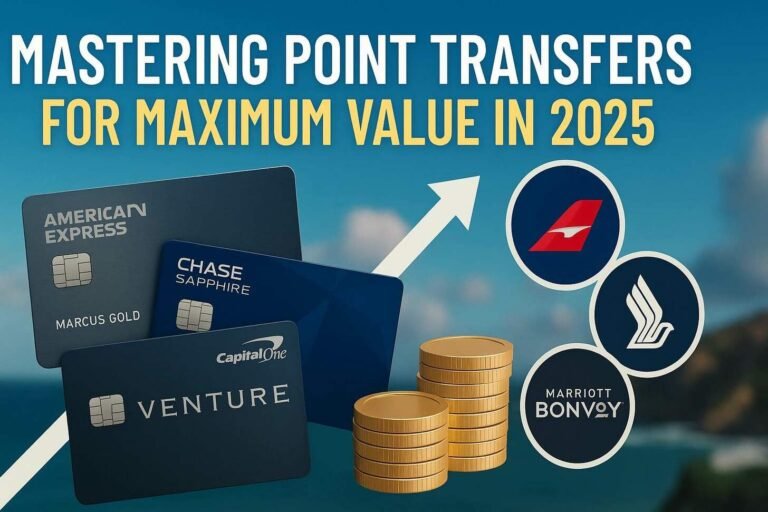

Imagine being just a few thousand rewards short of that dream vacation. Your points are spread across multiple accounts, making redemption feel impossible. This common frustration is precisely what we aim to solve.
Many travel rewards programs now offer robust solutions. Select airlines and hotels allow households to merge their earnings into a single pot. This strategy turns small individual balances into a significant shared resource.
We’ve created this guide to show you how it works. You’ll learn which programs offer this feature, often at little to no cost. Our goal is to help you accelerate your path to premium flights and luxury stays.
This approach is a game-changer for travelers. It simplifies earning and provides a clear advantage. We’ll walk you through the setup process and highlight key considerations.
Whether you’re new to rewards or a seasoned pro, this resource is for you. We provide transparent, actionable advice to maximize your benefits. Let’s turn your collective efforts into unforgettable experiences.
Key Takeaways
- Combining rewards from multiple accounts can dramatically speed up your ability to book award travel.
- Several major airline and hotel programs have introduced features that allow for easy point consolidation.
- This strategy is ideal for households looking to pool their collective spending power.
- Understanding the setup process and program rules is essential for success.
- Pooling can unlock premium-cabin flights and luxury hotel stays without additional credit cards.
- This guide is designed for all experience levels, from beginners to expert travelers.
Introduction: The Rise of Family Pooling in Travel Rewards
A quiet revolution is happening in how travel companies approach household loyalty and shared benefits. Airlines and hotels are discovering that group-based earning models create stronger connections with travelers.
Industry data reveals that frequent flyer initiatives generate substantial revenue for carriers. This financial success fuels innovation in how these systems serve households. The shift toward collective accounts reflects changing consumer expectations.
Overview of Pooling Benefits
Combining efforts transforms individual contributions into powerful collective resources. When household members contribute to a shared balance, redemption goals become achievable much faster.
This approach unlocks premium experiences that might take years to achieve on your own. The strategy represents high-value leverage without additional spending. Several major providers have recently enhanced their features.

Why It Matters Now
Dynamic pricing models make rapid accumulation increasingly valuable. As redemption rates fluctuate, large balances provide crucial flexibility. This year brings notable improvements to sharing capabilities.
Many systems have removed transfer fees and expanded participant limits. These changes respond to consumer demand for family-friendly options. The timing is ideal for establishing your collective strategy.
| Feature | Traditional Individual Accounts | Modern Pooling Approach | Impact on Travel Planning |
|---|---|---|---|
| Account Structure | Separate balances per person | Shared household balance | Simplified tracking and management |
| Redemption Speed | Slower individual accumulation | Faster collective goal achievement | Earlier access to premium rewards |
| Program Flexibility | Limited transfer options | Seamless point combination | Greater booking opportunities |
| Household Engagement | Individual focus | Collaborative strategy | Shared travel experiences |
The evolution toward shared accounts demonstrates how providers adapt to real traveler needs. This shift creates meaningful advantages for strategic households.
Understanding family pooling miles loyalty programs 2025
Today’s most innovative travel rewards platforms recognize that collective earning power transforms how households achieve their vacation goals. We see this shift as a fundamental improvement in how travel companies serve their customers.
Key Features and Criteria
Shared reward systems typically accommodate between five and ten participants. Some require verified residential addresses, while others offer more flexible grouping options.
The strongest systems operate with automatic contribution features. This eliminates manual transfers for each redemption attempt. We prioritize programs with seamless integration.

Comparison with Traditional Programs
Traditional individual accounts created significant limitations for group travel planning. Separate balances often remained too small for premium redemptions.
The modern approach accelerates goal achievement dramatically. Households can reach valuable thresholds five to ten times faster. This represents a substantial advantage for strategic travelers.
We emphasize carefully evaluating transfer flexibility and fee structures. Not all shared systems offer equal convenience or value.
How Family Pooling Works: Mechanisms and Benefits
Behind every successful shared travel account is a well-designed system that simplifies combining individual contributions. We’ll explore the two main approaches that make this possible.
Merging Points and Miles
Most systems operate through automatic contributions or transfers. Automatic systems immediately direct all earnings into a shared balance. Transfer systems enable individual accounts to move flexibly between members.
The setup process varies significantly between providers. Some designate a primary account holder to manage the collective resources. Others enable any participant to initiate transfers within their group.
Understanding expiration policies is crucial when merging rewards. Points typically retain their original expiration dates after transfer. However, some systems reset the clock, effectively extending their lifespan.
Perks for Frequent Travelers
This approach offers substantial advantages for regular travelers. Business professionals can contribute work-earned rewards to household vacation goals. Partners building balances through everyday spending combine efforts efficiently.
The strategy eliminates the frustration of scattered, insufficient balances across multiple accounts. Instead of three people each holding small amounts, one combined pool unlocks premium travel options. This represents a significant acceleration toward redemption targets.
Multi-generational households particularly benefit from this collaborative model. Different generations contribute to shared experiences such as reunions and special occasions. The system also enables strategic optimization, with the most advantageous member handling bookings.
Top Airline Loyalty Programs for Family Pooling
We’ve analyzed the premier airline programs that excel at enabling seamless reward combination among household members. These systems represent the gold standard in collaborative travel planning.
Seamless Integration in Major Airlines
Air Canada Aeroplan stands out by allowing up to eight household members to combine their earnings with free transfers. When one person holds a co-branded credit card, everyone benefits from preferred pricing.
British Airways Executive Club accommodates seven people at the same address. This system integrates seamlessly with the broader Avios ecosystem, including partners such as Qatar Airways.
United MileagePlus supports five participants at no cost, while JetBlue TrueBlue supports seven participants, including non-relatives. Air France/KLM Flying Blue allows two adults and six children to share rewards.
Sharing Rules and Best Practices
Designate one account manager to oversee the collective balance. Verify that all addresses match in systems with residence requirements.
Understand that some carriers, such as Etihad, require a permanent commitment. Always check whether combined earnings affect individual status qualification.
We recommend focusing on the system that offers the best redemption value for your typical routes. This strategic approach accelerates access to premium cabin flights.
Best Hotel Programs for Combined Points
When it comes to merging travel rewards, hotel chains often offer greater flexibility than their airline counterparts. We find their systems are designed with collaboration in mind.
Hotel reward platforms excel at consolidating points seamlessly. Their generous transfer policies make combining balances straightforward and cost-effective.
Pooling Strategies for Hotel Rewards
Hilton Honors leads the category with exceptional flexibility. Members can transfer up to 500,000 points annually to anyone for free. They can also receive up to 2 million points each year.
Marriott Bonvoy offers a straightforward approach. Members can transfer up to 100,000 points per year to another account at no fee. This works well for partners maintaining separate accounts.
World of Hyatt takes a different path. They allow combining points specifically for booking purposes rather than permanent transfers. You complete a form indicating intent to pool for a particular award stay.
We recommend focusing on programs where your household already has established earning patterns. Concentrating points in one system maximizes redemption options. Avoid programs with transfer fees that erode value.
The key success factor is coordinating credit card applications and spending. Ensure all members earn in the same program. Then strategically transfer before major trips to unlock premium properties.
Leveraging Credit Card Points for Maximum Rewards
Credit card programs offer the most efficient path to accumulating substantial travel balances through innovative pooling strategies. We find that these flexible point systems provide greater acceleration than traditional airline earning methods.
Utilizing Credit Card Offers
Strategic coordination of sign-up bonuses creates immediate value. When household members both qualify for premium cards like Chase Sapphire Preferred, you instantly double your earning potential.
Capital One stands out for its simplicity. Their system enables instant, free transfers between any cardholders, with no address restrictions. This flexibility makes it ideal for various household configurations.
American Express requires creative approaches since direct transfers aren’t permitted. Adding an authorized user creates a workaround after a 90-day waiting period.
Step-by-Step Transfer Guide
Chase Ultimate Rewards provides one of the most user-friendly interfaces. Log in to your account and navigate to the “Combine Points” section to initiate transfers.
You’ll need to enter your household member’s account information. Both parties must reside at the same address. Points move instantly once verified.
Citi ThankYou Rewards allows sharing, but with a critical limitation. Transferred points expire after 90 days, so timing is crucial for specific redemptions.
We recommend designating one premium cardholder for transfers, while others focus on category bonuses. This strategy concentrates earning power where it delivers maximum value for premium travel experiences.
Setting Up Household Accounts: A Practical Guide
Establishing a centralized system for your household’s travel rewards requires careful setup and clear roles. We’ll guide you through creating an efficient structure that maximizes your collective benefits.
Steps to Create a Shared Account
The process begins with selecting one person as the pool leader. This individual manages the shared balance and coordinates redemptions. Choose someone organized and knowledgeable about travel rewards.
Most systems follow a similar setup pattern. You log into your primary account and navigate to the household section. Then send invitations to other members via email.
Address verification is standard for programs requiring residential matching. All participants must accept the invitation to complete the linking process. This creates your centralized earning system.
“The right setup transforms individual efforts into collective success. Clear roles and communication prevent confusion down the road.”
Managing Multiple Family Members
Coordinating several people requires strategic planning. Establish guidelines for the shared balance. Will it fund group trips or individual travel?
Transparency is crucial for maintaining harmony among participants. We recommend using a simple tracking system that allows everyone to see contributions and planned redemptions.
The pool leader carries significant responsibility for maximizing value. They should be responsive to booking requests and strategic about redemption timing.
| Program | Setup Time | Member Limit | Key Requirement |
|---|---|---|---|
| JetBlue TrueBlue | Instant | 7 people | Email acceptance |
| British Airways | Several days | 7 people | Address verification |
| Air Canada | Immediate | 8 people | Account numbers |
| Air France/KLM | 24 hours | 8 people | Age verification |
Remember that most programs require participants to be at least 13 years old. Some systems are designed specifically for children, making them ideal for larger households. The initial effort pays dividends through accelerated reward accumulation.
Navigating Program Fees and Fine Print in Pooling
Hidden costs and complex rules can quickly diminish the value of your combined travel rewards if you’re not careful. We always emphasize reviewing terms before linking accounts.
Many top systems offer completely free transfers. JetBlue TrueBlue, United MileagePlus, and Air Canada Aeroplan charge no fees for sharing balances.
However, some platforms impose significant charges. IHG charges $5 per 1,000 points transferred, which can exceed redemption value for larger amounts.
Critical fine print includes minimum membership periods. Virgin Atlantic requires household members to remain for 12 months. This prevents temporary joining for specific redemptions.
Address verification is another typical requirement: British Airways and Virgin Atlantic demand identical residential addresses for all participants.
Redemption restrictions often apply. Many systems allow only the pool leader to book awards using shared resources. Others impose annual transfer limits that may constrain planning.
We recommend that you read the terms and conditions carefully. Look for clauses about expiration rules and what happens when members leave. This prevents costly surprises.
Insider Tips for Optimizing Pooled Points
The true power of collective rewards emerges when you move beyond simple accumulation and embrace sophisticated optimization techniques. We’ve discovered that strategic management separates average results from exceptional value.
Effective optimization requires understanding both advanced strategies and common mistakes. This approach ensures your combined efforts deliver maximum travel benefits.
Expert Pro Tips
Designate one person as your “points banker” to oversee all balances and monitor expiration dates. This centralized management prevents missed opportunities.
Time your transfers strategically rather than moving points continuously. Wait until you identify specific high-value redemptions to preserve flexibility across different systems.
Leverage programs where one member’s benefits extend to the entire group. Certain co-branded cards offer preferred pricing that multiplies value for all participants.
“Strategic patience in redemption timing often yields significantly better value than rushing to book the first available option.”
Avoiding Common Pitfalls
Be cautious when using systems with dynamic pricing models. Award costs can fluctuate unpredictably, potentially reducing your combined value.
Establish clear guidelines for the use of shared resources. This prevents conflicts when multiple members want to book trips simultaneously.
Watch expiration policies carefully. Some systems reset clocks during transfers, while others impose shorter deadlines on moved points.
| Optimization Strategy | Common Mistake | Impact on Value |
|---|---|---|
| Designated account manager | No coordination system | +40% efficiency |
| Timed strategic transfers | Continuous point moving | +35% redemption value |
| Benefit extension leverage | Ignoring card advantages | +50% multiplier effect |
| Multiple program flexibility | Locking into one system | +60% booking options |
The most effective approach maintains balance across different programs. Only combine points when you’ve identified a specific high-value award. This preserves your flexibility while maximizing redemption potential.
Real-Life Case Studies: Successful Pooling Strategies
The most compelling evidence for combining travel rewards comes from actual households that have achieved remarkable results. These stories demonstrate how strategic collaboration turns individual efforts into extraordinary experiences.
Family Success Stories
One household of four members secured different Chase credit cards. They earned a combined 300,000 Ultimate Rewards points through sign-up bonuses.
This collective effort allowed them to transfer points to United MileagePlus. They booked four Business Class tickets to Europe valued at over $25,000.
Another couple maintained separate Hilton Honors accounts through corporate travel. Each accumulated around 200,000 points annually.
By pooling their combined 400,000 points each year, they enjoyed week-long luxury resort stays in the Maldives. These vacations would have cost $15,000+ out of pocket.
Lessons from Top Travel Hackers
Expert travelers emphasize coordinating credit card applications across household members. This prevents wasting sign-up bonuses in systems where individual balances remain too small.
One savvy strategy is to use Air Canada Aeroplan’s sharing feature. A family pooled 240,000 miles to book four tickets from the US to Asia with a free stopover in Vancouver.
Clear communication about usage prevents conflicts. The most successful households treat their collective rewards as shared assets with regular planning meetings.
They discuss upcoming travel goals and coordinate efforts to ensure everyone benefits fairly from the collective strategy.
Future Trends in Family Pooling and Travel Rewards
Industry evolution points toward more inclusive reward systems that better serve the collaborative nature of modern travel planning. We see providers adapting to how households actually make decisions together.
Evolving Airline and Hotel Programs
Recent mergers have created some of the most generous sharing structures we’ve seen. Combining Alaska and Hawaiian into Atmos Rewards allows up to 10 additional members.
Hotel chains are significantly enhancing their transfer policies. Hilton’s 500,000 point annual spend limit demonstrates this shift toward flexibility.
Looking ahead, we anticipate that more providers will eliminate fees and restrictions. Systems maintaining rigid rules risk losing entire groups to competitors.
The challenge remains dynamic pricing models where award costs fluctuate. This requires strategic timing for transfers and redemptions.
| Current Features | Future Trends | Impact on Travelers |
|---|---|---|
| Limited member counts | Expanded household sizes | More inclusive sharing |
| Manual transfer processes | Real-time mobile integration | Instant balance updates |
| Fixed award pricing | Dynamic cost models | Strategic redemption timing |
| Separate account management | Unified household dashboards | Simplified coordination |
Technology improvements will make sharing more seamless. We expect apps to show combined balances and redemption alerts. This evolution reflects how providers value engaged household participation.
Tools and Resources to Track and Manage Your Points
Digital tracking solutions streamline and simplify the monitoring of multiple reward accounts. We find that the right technology makes all the difference in maximizing your collective efforts.
Apps and Online Calculators
Specialized platforms like AwardWallet and Points.me offer comprehensive dashboards that display all your earnings in one centralized location. These tools calculate your combined household total across different systems.
Award availability search tools are essential for strategic planning. Services like AwardFares allow you to search across multiple airline partners simultaneously. This shows exactly where your collective resources can take you.
Online calculators help determine the actual value of your accumulated rewards. Tools from reputable sources compare cash prices against award costs. This ensures you’re getting substantial value for your hard-earned points.
Account management apps with expiration tracking send alerts before rewards expire on any household account, while credit card optimization tools show which card each person should use for different purchases.
We recommend using shared spreadsheets where all participants can log current balances and redemption goals. This transparency ensures everyone understands the household’s total earning power.
Conclusion
By consolidating travel resources, groups can achieve redemption goals that would take years to reach through individual efforts alone. This approach transforms scattered balances into meaningful purchasing power for premium experiences.
The key lies in selecting systems with flexible sharing rules and clear communication among participants. Strategic coordination of credit card applications and spending patterns accelerates accumulation dramatically. Designating an organized leader ensures optimal redemption timing and value maximization.
We’ve shown how this collaborative model unlocks Business Class flights and luxury stays through shared efforts. The right strategy turns everyday spending into extraordinary travel opportunities. Start your journey toward collective success today.
FAQ
Q: What is the main advantage of combining our rewards with others?
A: The most significant benefit is accelerating your path to award redemption. By merging balances, your group can reach the threshold for flights or hotel stays much faster than any single member could alone, unlocking incredible travel experiences sooner.
Q: Can I share my credit card points with anyone?
A: It depends entirely on the specific program. Many airline alliances, such as those with British Airways or Air Canada, allow transfers only between members on the same household account. Always check your program’s terms to see who qualifies for these transfers.
Q: Are there fees associated with creating a shared account?
A: Some programs may charge an annual fee for the primary account holder to manage the pool. However, many leading programs offer this as a free benefit to encourage loyalty. We recommend reviewing the fine print for any potential costs before you set up your account.
Q: How does the pool leader system work?
A: Typically, one person acts as the pool leader. This member manages the combined balance and is responsible for group redemptions, such as booking flights for everyone. This centralizes control and simplifies the process of using your collective points.
Q: What happens to our pooled miles if a member leaves the group?
A: This is a critical detail to understand. In most cases, once points are contributed to the shared balance, they cannot be transferred back to an individual member. The points remain the property of the collective pool, so this decision requires trust and clear communication among all participants.